 Skip to content




Planning a summer beach vacation with kids can feel overwhelming when there are so many picture-perfect destinations to choose from. Thailand, Greece, Spain, and the Maldives each promise sun, sand, and sea, but they offer very different experiences for families. As a U.S. parent, you care about safety, kid-friendly amenities, activities that engage your children, and how easy it is to get there. This guide breaks down each destination by what matters most for families, helping you make an informed decision that your whole crew will love.
Greece vs. Spain: Best European Beaches for Young Kids (Ages 2–8)
When traveling with toddlers and early elementary-age children, shallow water, stroller-friendly access, and a welcoming atmosphere for little ones are top priorities. Both Greece and Spain deliver Mediterranean charm, but they differ in practical ways.Greece, particularly the islands of Naxos and Crete, offers calm, shallow waters perfect for splashing and wading. Family-run tavernas are common and often go out of their way to accommodate kids with smaller portions and high chairs. However, stroller access can be challenging on some beaches—stick to popular spots like Elafonisi in Crete, where the sand is soft and the water is clear. Many beaches lack boardwalks, so a sturdy all-terrain stroller is recommended.Spain, especially the Costa del Sol and Menorca, features wide, clean beaches with lifeguards, playgrounds nearby, and numerous all-inclusive resorts with professional kids' clubs. The infrastructure is generally more modern, and English is more widely spoken, making navigation easier for non-Spanish speakers. Public beaches often have accessible ramps and rental services for umbrellas and loungers.From a travel perspective, Spain has a slight edge for U.S. families due to direct flights to Madrid or Barcelona, followed by a short domestic flight or train to coastal areas. Greece also has direct flights to Athens, but island hopping via ferry can add complexity with young kids. Both countries are safe, but Spain's predictable amenities and ease of access make it the top choice for families with very young children.
Thailand vs. Maldives: Best Asian Beaches for Active Older Kids (Ages 9–16)
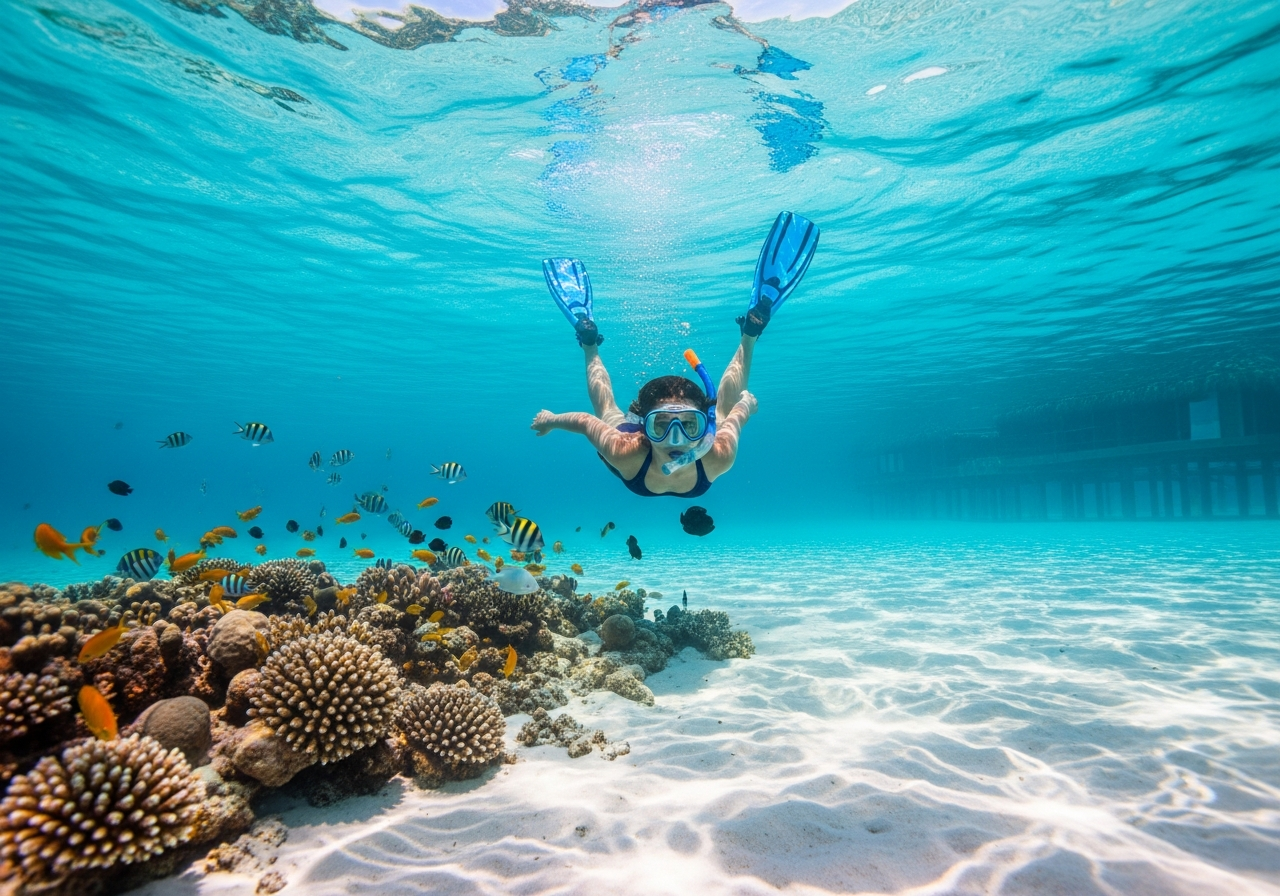
School-age children and teens crave adventure, independence, and experiences beyond building sandcastles. Thailand and the Maldives both offer incredible opportunities, but they cater to different appetites for exploration.Thailand, particularly Phuket and Koh Samui, is a playground for active families. Beyond the beaches, kids can snorkel among colorful fish, visit ethical elephant sanctuaries, learn to cook Thai dishes, and explore lush jungles. The energy is high, streets are busy, and there is plenty to keep tweens and teens engaged. However, parents need to be vigilant about traffic and street food hygiene. Thailand provides a rich cultural immersion that older kids will remember for years.The Maldives, on the other hand, is the epitome of a private island escape. Resorts like those on Fihalhohi or Meeru offer overwater villas with glass floors, manta ray snorkeling, marine biology programs, and watersports like jet skiing and parasailing. Safety is top-notch because everything is contained within the resort. The trade-off is limited cultural exposure and a higher price tag. Travel from the U.S. involves a long flight to Male, followed by a seaplane or speedboat transfer, adding to the journey time. Thailand has more connecting flight options, but total travel time is similar. For families who want non-stop adventure and cultural learning, Thailand wins. For those seeking a safe, luxurious, and worry-free vacation with teenagers who will appreciate resort amenities, the Maldives is unbeatable.
What It Costs to Take a Family of Four to Each Beach Destination
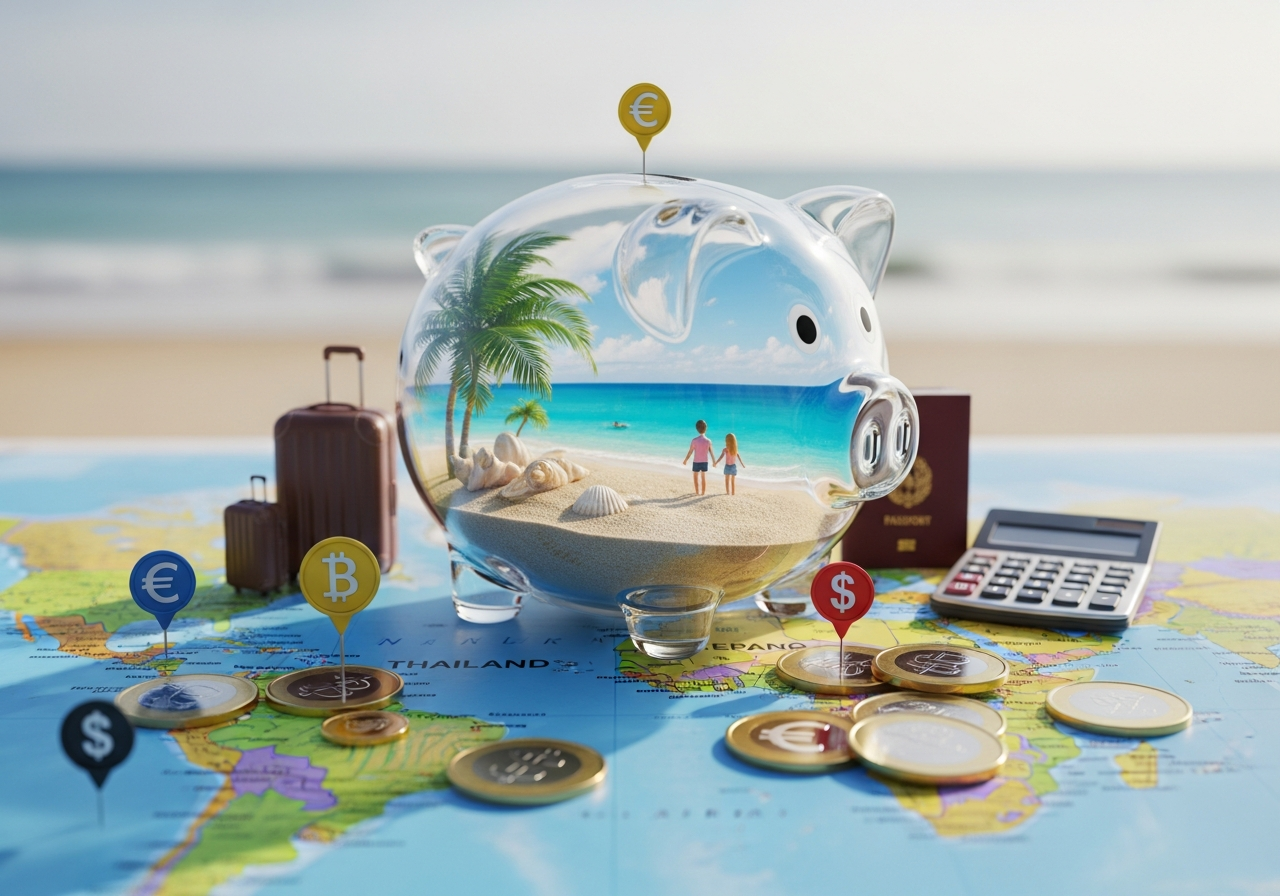
Budget is often the deciding factor for family vacations. Here is a realistic breakdown for a family of four (two adults, two children) for a one-week trip including flights, mid-range accommodations, meals, and basic activities. Prices are estimates in U.S. dollars and can vary based on season, booking lead time, and specific choices.Thailand is the most affordable option. A week with comfortable hotels, street food and local restaurants, and excursions like snorkeling and temple visits can range from $5,000 to $8,000. Luxury options exist, but you get great value even at mid-range.Greece and Spain fall into the mid-range tier. Expect to spend $6,000 to $10,000 for a week. This includes an all-inclusive or villa stay, meals at restaurants, and some activities. Spain's lower cost for domestic flights after arriving in Madrid or Barcelona can make it slightly cheaper than Greece for families who want to visit multiple beach towns.The Maldives is the clear splurge. Even an entry-level overwater villa with full-board meals and speedboat transfers typically costs $12,000 to $20,000 for a week. The all-inclusive nature of most resorts means fewer surprise expenses, but the upfront cost is steep. For families willing to sacrifice the overwater experience, some guesthouses on local islands are more affordable, but they require adherence to local customs and offer fewer resort-style amenities. When planning, factor in peak summer pricing—July and August are high season for Greece and Spain, while the Maldives and Thailand experience their rainy season, which can lower prices slightly.
Safety, Health, and Travel Logistics from the U.S.
Ensuring a safe and healthy trip is paramount for families. All four destinations are generally safe for tourists, but each has unique considerations.Thailand: Petty theft can occur in crowded areas, and traffic is notoriously chaotic. Street food is delicious but can cause stomach issues—stick to busy stalls with high turnover. Vaccinations for Hepatitis A and Typhoid are recommended. Tap water is not drinkable. Greece and Spain: Both are very safe with low crime rates in beach towns. Medical facilities are excellent in tourist areas. No special vaccinations are required beyond routine ones. Tap water is safe in most places. Sun protection is crucial as UV levels are high. Maldives: Crime is extremely low, but medical facilities are limited on smaller islands—serious issues require evacuation to Male or abroad. Vaccinations are not required, but ensure routine shots are up to date. Tap water is not safe; resorts provide bottled water. Logistics: U.S. passport holders need a passport valid for at least six months beyond travel dates. Greece, Spain, and Thailand offer visa-free stays of up to 30 days for tourism. The Maldives provides a free 30-day visa on arrival. The best time to visit varies: summer (June–August) is peak season in Greece and Spain, meaning crowded beaches and higher prices. Thailand and the Maldives experience monsoon rains from May to October, but late June and July often have daily short showers followed by sun, so it is still a viable window. Travel insurance is strongly recommended for all destinations, especially for medical coverage in the Maldives.
Our Top Family Summer Beach Pick (and When to Choose the Others)
After evaluating all factors—kid-friendly amenities, safety, activities, cost, and travel ease—here is our clear recommendation:Best Overall for Families with Young Kids: Spain, specifically the Costa del Sol. It offers the easiest travel from the U.S., shallow beaches with lifeguards, abundant all-inclusive resorts with kids' clubs, and a familiar infrastructure that minimizes stress for parents with toddlers and preschoolers.Best for Adventure-Seeking Older Kids: Thailand, especially Phuket. It provides a rich mix of water sports, cultural experiences, and wildlife encounters at a lower cost, keeping tweens and teens engaged without breaking the bank.Best for a Once-in-a-Lifetime Splurge: The Maldives. Choose this if you have teenagers who will appreciate snorkeling with manta rays, overwater villas, and a completely hassle-free resort environment. It is ideal for families who prioritize relaxation and luxury over cultural immersion.Best for Budget-Conscious Families: Greece, specifically Naxos or Crete. These islands offer affordable villa rentals, delicious food, and authentic experiences without the need for expensive island-hopping flights. The shallow waters and welcoming tavernas make it a fantastic value for families of all ages.Ultimately, there is no single "best" beach—it depends on your family's unique needs. Consider your children's ages, your budget, and the type of vacation you envision. This guide gives you the tools to make an informed choice.
Frequently Asked Questions
What's the safest beach destination for a toddler in summer?
Spain, particularly the Costa del Sol and Menorca, is the safest beach destination for toddlers in summer. These beaches have lifeguards, gentle slopes into the water, and clean sand. Many resorts offer supervised kids' clubs and shallow kiddie pools. Additionally, Spain's medical facilities are excellent, and the country has low crime rates. The warm but not scorching temperatures (thanks to sea breezes) make it comfortable for little ones. Always apply reef-safe sunscreen and provide a sun-protective hat and swimsuit.
Do I need to rent a car to get around these beaches with kids?
It depends on the destination. In Spain and Greece, renting a car can be very convenient for reaching remote beaches and exploring at your own pace, but parking can be challenging in crowded areas. In the Costa del Sol, public transportation and taxis are reliable, so a car is optional. In Greece, especially on islands like Naxos and Crete, a rental car helps you find family-friendly beaches away from crowds. In Thailand, tuk-tuks and private drivers are affordable, making car rental unnecessary in Phuket and Koh Samui. In the Maldives, you stay on a single island resort, so no car is needed. Always check if your hotel offers airport transfers and local shuttles.
Are there kid-friendly resorts with free activities in any of these places?
Yes, many resorts in all four destinations offer free kids' clubs and activities. In Spain, all-inclusive resorts in the Costa del Sol and Menorca often include supervised play areas, arts and crafts, and pool games at no extra cost. Greek resorts, especially on Crete and Naxos, may have free kids' programs, but it's less universal. In Thailand, resorts like the Centara Grand Beach Resort Phuket offer free kids' clubs with Thai dance lessons and snorkeling. In the Maldives, most high-end resorts include free kids' clubs with marine biology sessions and water sports equipment. Always confirm what's included when booking, as some activities may have surcharges.
Conclusion
Choosing the perfect summer beach for your family ultimately comes down to your children's ages, your budget, and the type of experience you want. Spain offers ease and safety for young kids, while Thailand provides adventure for older ones. Greece delivers great value for budget-conscious families, and the Maldives is a splurge-worthy paradise for a once-in-a-lifetime trip. No matter which you choose, you're setting the stage for unforgettable family memories. We hope this guide helps you find your perfect beach match.
Bookmark this guide and compare flights from your nearest U.S. hub—then check our family packing list for the tropics or Mediterranean.


